If you’ve recently heard that PCOS (Polycystic Ovary Syndrome) is being renamed PMOS (Polycystic Morphology-Ovarian Syndrome), you’re not alone. The proposed name change has sparked conversations throughout the reproductive health community, leaving many patients wondering what it means for their diagnosis and fertility journey.
The good news? While the name may be changing, our commitment to helping patients build their families remains exactly the same.
At Fertility Partnership in St. Louis, Missouri, Dr. Simckes has spent more than 30 years helping patients with PCOS (PMOS) achieve healthy pregnancies through personalized, evidence-based fertility care. Whether you’re just beginning to explore your options or have been trying to conceive for years, understanding this condition is the first step toward moving forward with confidence.
Why Is PCOS Being Renamed PMOS?
The term Polycystic Ovary Syndrome (PCOS) has long been considered confusing because it doesn’t accurately describe what many patients actually experience.
Despite its name:
- Not everyone with PCOS has ovarian cysts.
- The “cysts” seen on ultrasound are actually immature follicles—not true cysts.
- PCOS affects much more than the ovaries, including hormones, metabolism, insulin regulation, and fertility.
To better reflect the condition, international experts have proposed the name Polycystic Morphology-Ovarian Syndrome (PMOS). The updated terminology emphasizes the characteristic appearance of the ovaries rather than implying that ovarian cysts define the condition.
Although many healthcare providers still use the term PCOS today, you may begin seeing PMOS used more frequently as medical organizations continue to adopt updated terminology.
How Does PCOS (PMOS) Affect Fertility?
PCOS (PMOS) is one of the most common causes of infertility, affecting millions of women worldwide. The primary fertility challenge is irregular or absent ovulation. When ovulation doesn’t occur consistently, it becomes much more difficult to become pregnant naturally.
Patients with PCOS (PMOS) may experience:
- Irregular or missed menstrual cycles
- Difficulty predicting ovulation
- Hormonal imbalances
- Elevated androgen levels
- Weight gain or insulin resistance
- Acne or excess facial/body hair
- Polycystic ovarian appearance on ultrasound
The important thing to know is that PCOS (PMOS) is highly treatable, and many patients with PCOS (PMOS) go on to have successful pregnancies with the right fertility care.
How Dr. Elan Simckes Treats Patients in St. Louis With PCOS (PMOS)
No two patients with PCOS (PMOS) are exactly alike.
That’s why Dr. Simckes develops a personalized treatment plan based on each patient’s hormone levels, ovulation patterns, medical history, age, and family-building goals.
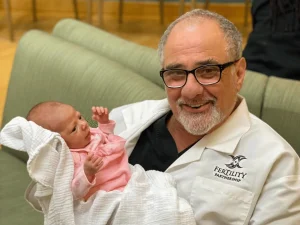
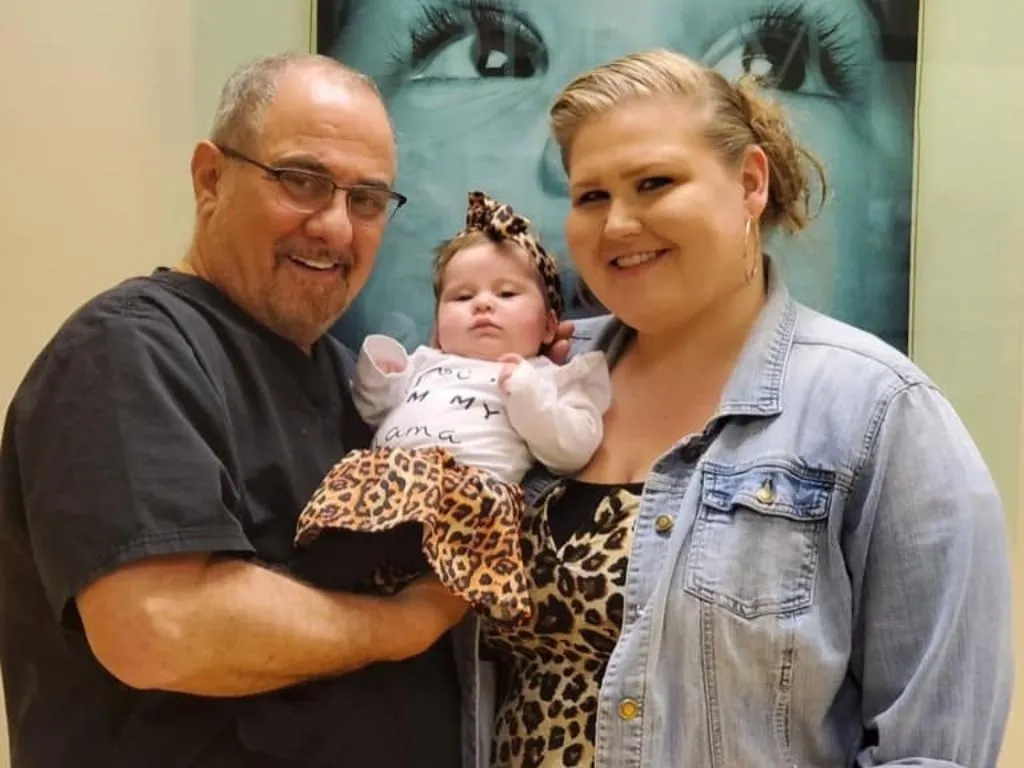
With more than three decades of experience in reproductive medicine, he has helped thousands of patients overcome ovulation disorders and infertility. Patients appreciate not only his extensive expertise but also his warm personality, sense of humor, and ability to explain complex medical information in a way that’s easy to understand.
His educational approach extends beyond the clinic, where he has built a global TikTok community of more than 85,000 followers by sharing trusted fertility education and answering common reproductive health questions.
Fertility Treatment Options in St. Louis for PCOS (PMOS)
The best treatment depends on your individual circumstances, but fertility options may include:
Ovulation induction
For many patients, the first step is helping the ovaries release an egg consistently. Medications may be used to stimulate ovulation while carefully monitoring your response through ultrasound and hormone testing.
Timed intercourse
Once ovulation becomes more predictable, carefully timing intercourse during your fertile window may significantly improve your chances of conception.
Intrauterine insemination (IUI)
For some patients, IUI may increase the likelihood of pregnancy by placing prepared sperm directly into the uterus at the optimal time.
INVOcell®
For patients who need IVF-level treatment but are looking for a more natural and affordable alternative, Dr. Simckes is recognized for his extensive experience with INVOcell®.
This innovative fertility treatment allows fertilization and early embryo development to occur inside the body using a small medical device before embryo transfer, creating a unique patient experience while reducing certain laboratory costs associated with conventional IVF.
In Vitro Fertilization (IVF)
When other treatments have not been successful, or when additional fertility factors are involved, IVF may provide the highest chance of pregnancy. Throughout every stage of IVF treatment, our fertility clinic focuses on personalized care, education, and support so you always understand your options.
Why Choose Fertility Partnership in St. Louis?
Choosing a fertility clinic in St. Louis is a deeply personal decision. At Fertility Partnership, we believe exceptional fertility care combines advanced reproductive medicine with genuine compassion.
Patients throughout the St. Louis area choose our fertility clinic because we uniquely offer:
- More than 30 years of compassionate fertility expertise
- Individualized treatment plans, not one-size-fits-all care
- Extensive experience treating PCOS-related infertility
- Advanced fertility treatments, including IVF and INVOcell
- A welcoming, supportive environment where patients feel heard
- Convenient fertility care for patients throughout St. Louis, St. Peters, St. Charles, Chesterfield, O’Fallon, Edwardsville, and surrounding Missouri communities
Whether you’ve recently been diagnosed with PCOS (PMOS) or have been trying to conceive for years, you deserve answers, and a treatment plan designed specifically for you.
When Should You See a Fertility Specialist in St. Louis?
If you have PCOS (PMOS) and are having difficulty becoming pregnant, don’t wait to seek guidance.
You should consider scheduling a fertility evaluation for PCOS (PMOS) if:
- You’ve been trying to conceive for 12 months (or 6 months if you’re age 35 or older)
- Your menstrual cycles are irregular or absent
- You’ve been diagnosed with PCOS and want to understand your fertility options
- You’ve experienced recurrent pregnancy loss
- You’ve already tried fertility medications without success
Early PCOS (PMOS) evaluation often leads to earlier fertility treatment, and greater peace of mind.
Frequently Asked Questions About PCOS (PMOS)
Is PCOS officially called PMOS now?
The proposed name change to PMOS reflects a growing effort among experts to better describe the condition. Many fertility and healthcare providers still use the term PCOS, so you’ll likely continue seeing both names for some time.
Can I get pregnant naturally with PCOS (PMOS)?
Yes. Many women with PCOS (PMOS) conceive naturally. Others benefit from treatments that help restore regular ovulation or improve their chances of pregnancy.
Does everyone with PCOS (PMOS) have ovarian cysts?
No. The small structures seen on ultrasound are actually immature follicles—not true ovarian cysts. Many people diagnosed with PCOS (PMOS) don’t have multiple follicles visible on ultrasound, while others without PCOS (PMOS) may have polycystic-appearing ovaries.
What is the best fertility treatment for PCOS (PMOS)?
There isn’t a single best treatment for everyone. Depending on your age, medical history, and fertility goals, treatment may include ovulation induction, IUI, INVOcell, or IVF.
Does losing weight cure PCOS (PMOS)?
Healthy lifestyle changes may improve ovulation and hormone balance for some individuals, but PCOS (PMOS) is a lifelong hormonal condition. A fertility specialist can help determine the most effective treatment plan for your situation.
Where can I find PCOS (PMOS) fertility treatment in St. Louis?
If you’re looking for compassionate, personalized PCOS (PMOS) fertility care in the St. Louis area, Fertility Partnership offers comprehensive evaluation and treatment for patients with PCOS. Dr. Simckes combines more than 30 years of experience with innovative reproductive technologies to help patients take the next step toward growing their families.